Skip to main content
Hit enter to search or ESC to close
Close Search
Contact
Give
search
Menu
Home
Mission
About Us
Get Our Fact Sheet
People/Team
All
Faculty
Staff
News
Publications
Foundational Research
Faculty Publications
Journals
Impact
For Students
For Educators
For Researchers
For Community
For Stakeholders
Events
Visiting Fellows Dates
Freedom Center Workshops
Newsletter
search
Faculty Publications
On the Soul: and Other Psychological Works
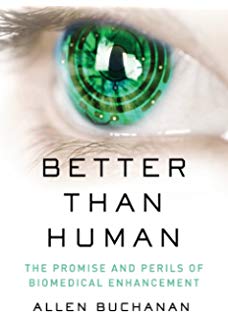
Better than Human: The Promise and Perils of Biomedical Enhancement
The Heart of Human Rights
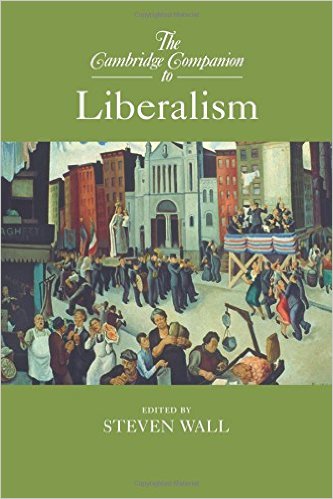
The Cambridge Companion to Liberalism
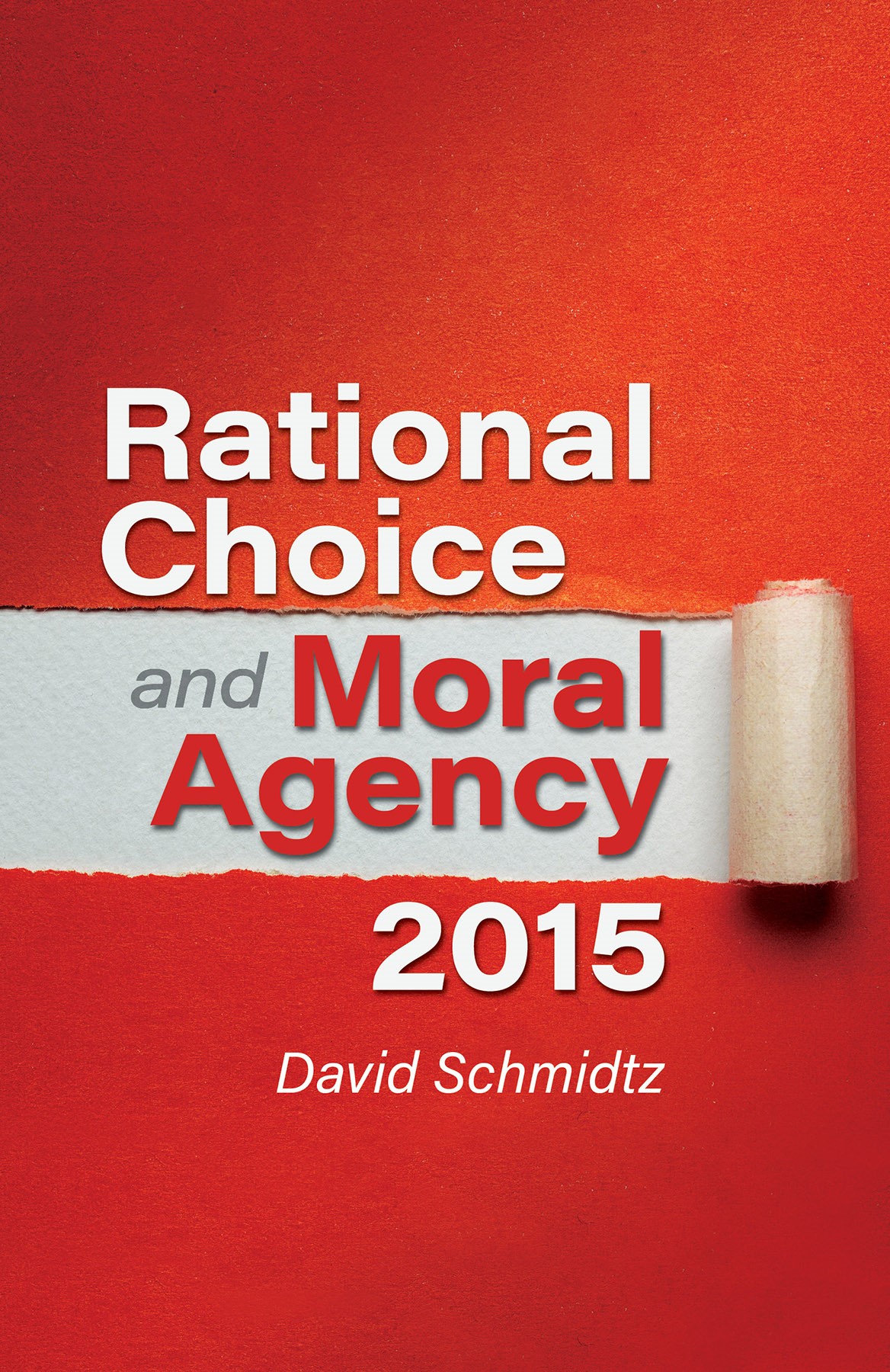
Rational Choice and Moral Agency: 2015
Oxford Studies in Political Philosophy Volume 1
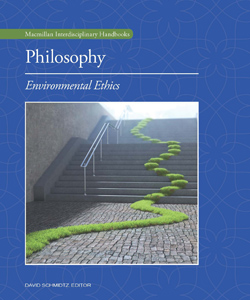
Philosophy: Environmental Ethics
Oxford Studies in Political Philosophy Volume 2
Oxford Studies in Political Philosophy Volume 4
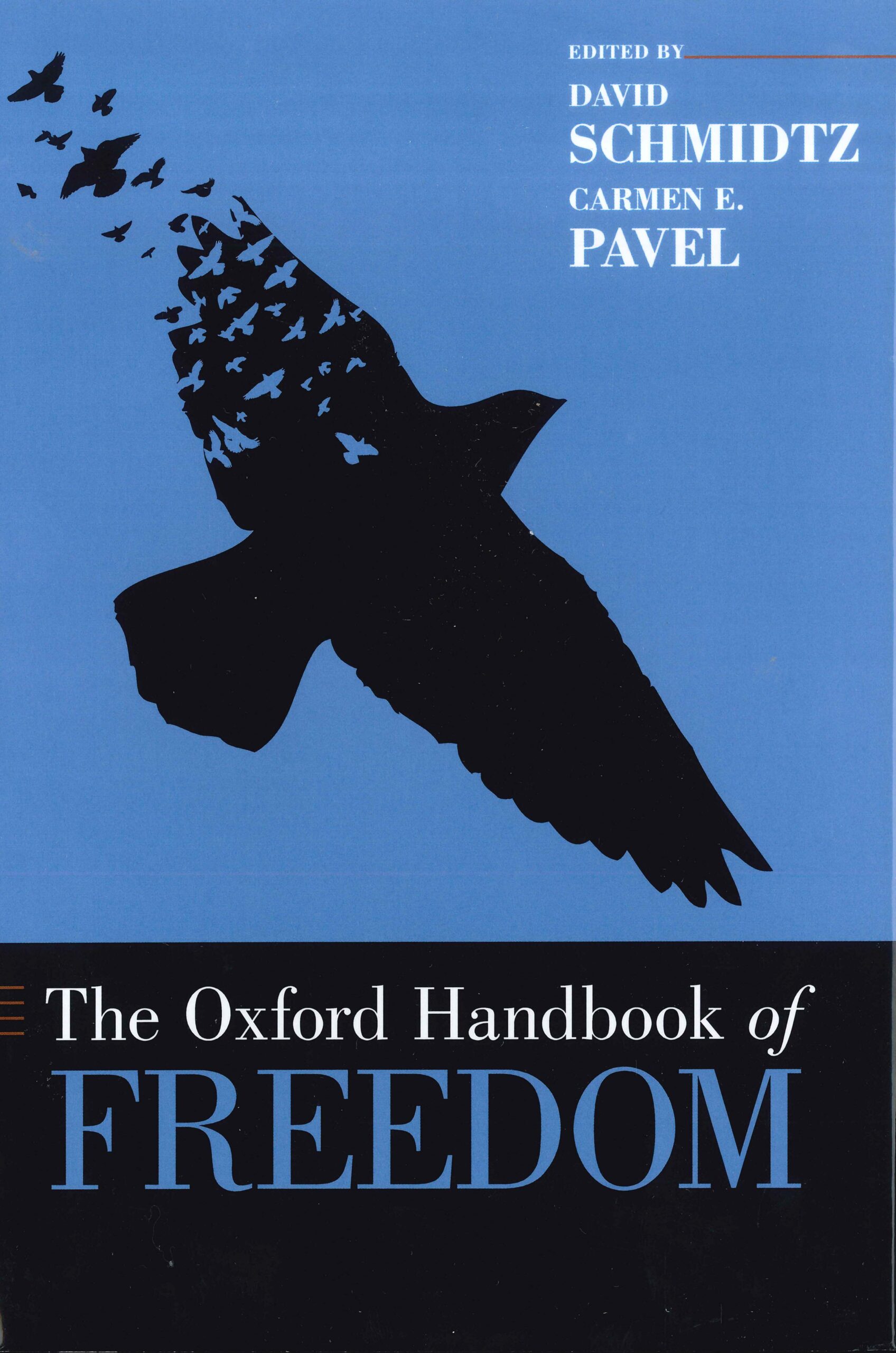
The Oxford Handbook of Freedom
« Previous Entries
Next Entries »
Close Menu
Home
Mission
About Us
Get Our Fact Sheet
People/Team
All
Faculty
Staff
News
Publications
Foundational Research
Faculty Publications
Journals
Impact
For Students
For Educators
For Researchers
For Community
For Stakeholders
Events
Visiting Fellows Dates
Freedom Center Workshops
Newsletter